Thermal bed bug remediation addresses the biological tolerance limits of Cimex lectularius by raising room temperatures to a sustained threshold of at least 122°F (50°C), which causes rapid cellular dehydration and…
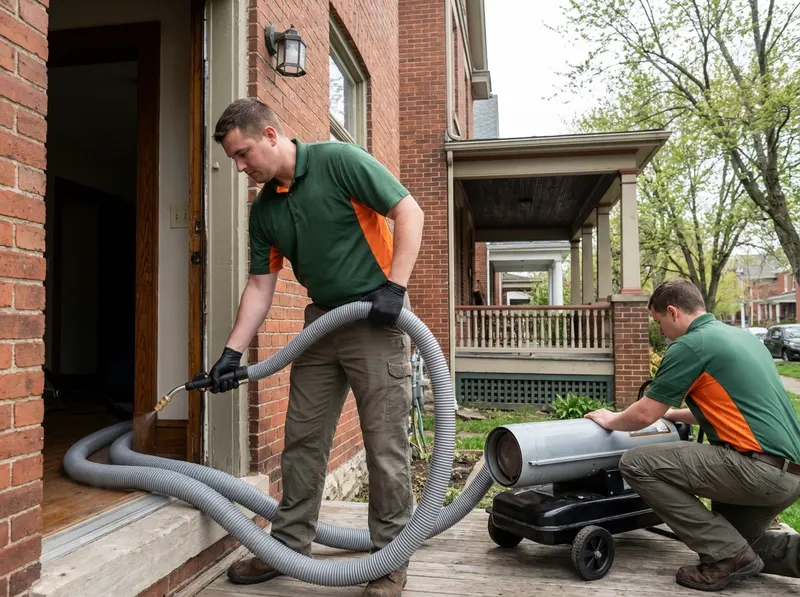
Thermal bed bug remediation addresses the biological tolerance limits of Cimex lectularius by raising room temperatures to a sustained threshold of at least 122°F (50°C), which causes rapid cellular dehydration and protein coagulation across adult bugs, nymphs, and embryonic eggs. In older timber-framed homes throughout Victorian Village, German Village, and Clintonville, structural settling creates deep gaps behind lath-and-plaster walls, floorboards, and decorative trim where standard chemical sprays fail to penetrate. Convection airflow forces lethal thermal energy into these micro-harborages. A companion residual application introduces an essential defense layer: while heat delivers immediate, complete mortality on day one, non-repellent liquid formulations and micro-pulverized silica desiccant dusts placed behind electrical faceplates and interior wall voids create a long-term barrier that intercepts any transient insects introduced afterward.
Selecting whole-structure thermal remediation over chemical-only protocols depends directly on home layout, clutter volume, and urgency. A localized chemical-only service involves repeated visits spaced across 14 to 30 days to target emerging nymphs as eggs hatch; this approach requires lower initial capital but demands persistent resident disruption, exhaustive laundering, and prolonged exposure risk. In contrast, comprehensive thermal remediation resolves established infestations in a single 8-hour operational window. The trade-off centers on upfront cost versus preparation labor: thermal systems require moving pressurized canisters, cosmetics, candles, and sensitive electronics out of the heat zone, yet eliminate the need to discard structural furniture, mattresses, or costly textile collections.
Central Ohio multi-family and rental properties, particularly high-density apartment complexes in the Short North Arts District, the University District, and Grandview Heights, face frequent cross-unit migration through shared plumbing chases and electrical conduits. Treating a single infested bedroom without securing the structural envelope allows bed bugs to flee active thermal zones into cooler wall cavities. Applying non-repellent residual insecticides to utility access points before elevating ambient heat secures these egress pathways. Technicians deploy calibrated wireless thermal probes throughout interior mattresses, subfloors, and structural perimeter corners, monitoring lethal targets remotely to verify that every cold spot reaches minimum lethal temperature before equipment shutdown.
Every job gets a firm, written price after a free on-site visit.
Tell us about your bed bug heat remediation and residual treatment job in Columbus and we'll send a clear, written quote, usually the same day.
 Kelmar Pest Services